I'd always wanted to go high, but the issue of equipment always held me back. A thick winter sleeping bag just for a single trip? An expensive sleeping mat that would then gather dust in the basement? This time I did things differently: I rented a Mountain Equipment Glacier 1000 sleeping bag and a NEMO Tensor Extreme sleeping mat from Eddy's Adventure . Cleaned, inspected, and delivered to me just in time for my flight – and I was able to test-pack everything at my leisure. It was the best decision I made before one of the most intense weeks of my life.
Preparation, route and first impressions
I hiked the Machame Route , a seven-day trek. It's known for its incredibly diverse scenery and offers a good rhythm for acclimatization. In Moshi, I met the guide, checked my gear, refilled my water bottles, and nervously went to bed early that evening. The lodge was warm, but my mind was already on the mountain: Would my gear be sufficient? Would I sleep in sub-zero temperatures? Spoiler alert: Yes. And how!
Day 1 – From the rainforest to the mountains
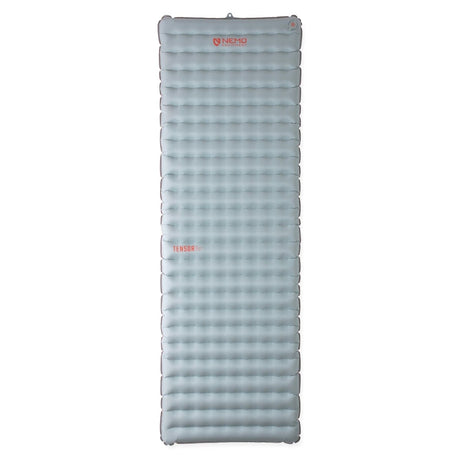
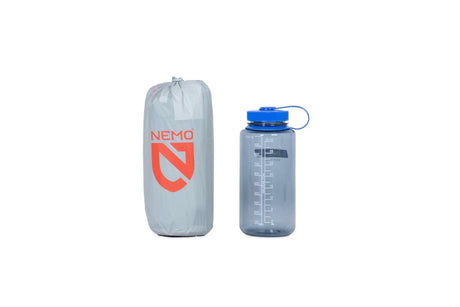
Starting at Machame Gate, the air humid, everything a vibrant green. The trail climbs steadily uphill, my legs feel fresh, and my backpack is still in good condition. In the evening at Machame Camp , the temperature dropped dramatically. I inflated my NEMO Tensor Extreme sleeping pad , marveling at how stable and quiet it was, and unrolled my Glacier 1000 down. The moment you slip into a warm down cocoon while the humidity outside turns to frost is pure bliss. I slept really well, despite the initial altitude.
Day 2 – From the forest up to the Shira Plateau
The vegetation thins, the visibility increases. It's the first day that Kilimanjaro truly looms before you. A strong wind blows at Shira Camp , significantly lowering the temperature at night. I wore thermal underwear and a hat and took a dip in Glacier 1000. Nothing is more important than the first real cold test – and I stayed warm. The Tensor Extreme , with its high R-value, absorbed the cold from the ground. No cold hips, no shivering rocking, just peace and quiet.
Day 3 – Sleep higher? No. Climb higher, sleep deeper.
"Climb high, sleep low" is the mantra. We climbed towards Lava Tower , to over 4,500 meters, and then down to Barranco Camp . I definitely felt the altitude: dry mouth, a slight headache, the classic "phew." Sleep was crucial at this point. The Glacier 1000 still had some energy reserves, and I noticed how well the collar and hood sealed. No drafts, no heat loss—just the comforting rustle of down while outside the frost made the tent fabric sparkle.
Day 4 – Barranco Wall and the Flow
The Barranco Wall looks wilder from below than it actually is. It's more like climbing with your feet – fun. After that, it's a constant up and down to Karanga . The wind picks up, my skin gets dry, so I keep my sunglasses on. In the evening, the same ritual again: inflate the sleeping mat, air out the sleeping bag, put a water bottle in the footwell to prevent freezing. It got really cold during the night, but I honestly hardly noticed. The combination of thick down and a top-insulated mat is the dream team on the mountain.
Day 5 – Short but important: over to Barafu
The day from Karanga to Barafu isn't the longest, but it's mentally crucial. Everything is timed towards "Summit Night." In the afternoon, you lie in your tent, trying to get a couple of hours of sleep beforehand. I used my Glacier 1000 heater half-open to avoid overheating and got surprisingly tired—a good sign. As darkness falls, you have some tea and a snack, then you put on layers of clothing. Your headlamp hits dust, and the dust hits the cold. It feels serious, but good.
Day 6 – Summit Night and Uhuru Peak
We set off shortly after midnight. It's cold, the air thin, and everything moves at a steady pace. The switchbacks seem endless, but the rhythm is calm, almost meditative. I drank steadily, taking small sips, and ate regularly, even though that takes willpower at this altitude. Stella Point in the first light is magical: the sun creeps down, the shadow of Kibo lies like a triangle in the sky. Then the final stretch to Uhuru Peak . No sprinting, no heroic feat – just keep going. At the top, everything is suddenly very still, even in my mind. A few photos, a glance, a very genuine smile.
The descent to Barafu is dusty and long, my thighs are aching. Down at camp, I just took off my shoes and collapsed into Glacier 1000. Even during the day, my body craved warmth. You can never control that cold that creeps up from the ground with a weak sleeping mat – the Tensor Extreme was half the battle here.
Day 7 – Down to Mweka and this quiet happiness
Last day, the knees get one last workout. The forest welcomes you, damp and noisy, with birds, voices, and life. At Mweka Gate, the cola tastes like the best drink in the world. And as you stand there, dusty and proud, you realize that the week was simply perfect: a good team, fair stages, but above all, sleep – really good sleep.
How the borrowed equipment performed
The Mountain Equipment Glacier 1000 was perfect for me. I'm rather sensitive to the cold, yet I still had nights where I simply forgot it was freezing outside. The hood can be precisely tightened, the draft collar closes securely, and the footbox stays warm, even if you sleep in it with a Nalgene pillow. Important: I aired the sleeping bag briefly in the morning and shook it out in the evening – that's when down performs best.
The NEMO Tensor Extreme was a pleasant surprise. Not only warm, but also stable. I toss and turn a lot at night, and with thin mats I usually wake up constantly from cold spots. Not with this one. And: it's surprisingly quiet. On a windy, dry night, every sound is twice as loud – I had peace and quiet.
Small lessons that make a big difference
I drank consistently every evening and kept the bottle warm in my sleeping bag. I got into the habit of inflating my sleeping mat as soon as I arrived so the tent would dry inside, and of taking my sleeping bag out of its stuff sack early. I traveled with only one baselayer night outfit, which I only wore in the tent – staying dry is half the battle on the mountain. And I accepted that the pace at the top wasn't determined by my adrenaline, but by the mountain itself. "Pole pole" isn't just a saying; it's what makes the tour possible for the body.
Who this combination is suitable for – and why renting/leasing makes sense
If you're planning a one-off high-altitude tour or aren't sure whether you'll be venturing out more often in winter, then renting is perfect. You get high-quality outdoor equipment that's been cleaned and inspected, delivered on time, and provides you with the crucial element: restful sleep. That's precisely what makes the difference between "just barely making it through" and "consciously experiencing it." And if you like the setup as much as I do, then "rent first, buy if you like it" is the logical extension of the adventure.
My conclusion after seven days on Kilimanjaro
Kilimanjaro isn't a technical climbing mountain, but it commands respect. Anyone who can sleep well up there has more energy, a better mood, and a greater capacity to focus on what truly matters during the day. I had that – thanks to my Glacier 1000 sleeping bag and NEMO Tensor Extreme jacket. And because I didn't have to buy them, I could be more relaxed about my budget elsewhere. For me, it was the perfect solution: rent outdoor gear , use it, love it – and take away what really counts: the experience.
If you have any questions about the route, rental/hire options , or this specific setup, contact Eddy's Adventure . They know the packing lists, understand how cold it really feels, and will put together the outdoor gear that suits you best.
(Author: Daniel B., Munich)