Pembrokeshire Coast Path – from the very first step you feel the wind, salt air and tranquility.
Our 8-day tour from Newport to Sandy Haven was no picture-perfect walk in the park.
It was a tough test for legs, head and outdoor equipment .
We used a tent, sleeping bag, sleeping mat and backpack from our rental range.
This is how we saw what truly impresses in changeable coastal weather.
This experience will help you plan your own adventure safely.
Preparation & equipment from the practical test
We started with a lightweight 2-person backpack tent.
The coastline is often exposed, so quick parking spots are worth their weight in gold.
The NEMO Dragonfly OSMO 2P has proven to be very good.
It is airy, aerodynamic, and quick to assemble.
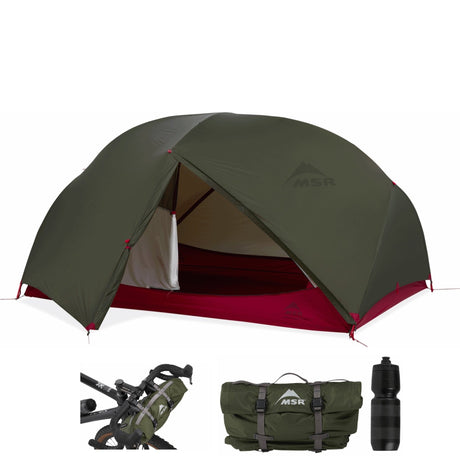
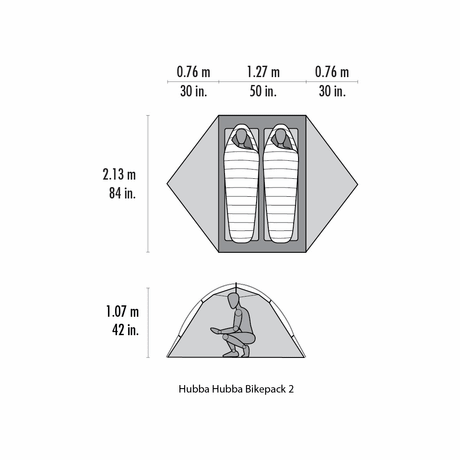
Need more space? Check out the MSR Hubba Hubba too.
You can rent both from us for real-world testing before buying.
Direct links to our rental information :
– Tent: NEMO Dragonfly OSMO 2P and MSR Hubba Hubba (Collection)
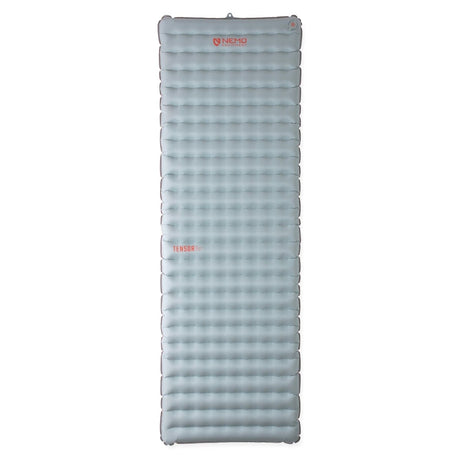
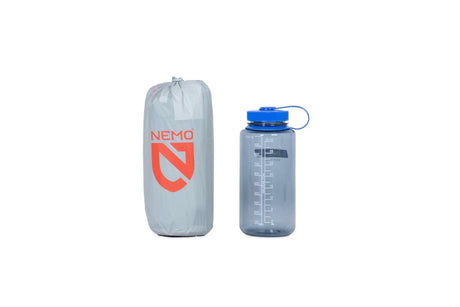
– Sleeping comfort: NEMO Tensor All-Season sleeping mat (R-value 5.4)
– Sleeping bags (selection & sizes): Sleeping bag category or directly the tried and tested Pajak Core 400
– Backpack: Deuter Aircontact Lite 50+10 Men or the entire backpack category
Day 1 – Newport → Fishguard
The start in Newport is picturesque. The first hills are quite challenging.
Reward: a sweeping view across the bay. The path winds along cliffs to Fishguard . At the harbor, we enjoyed the sunset with tea. The tent's small pack size proved its worth immediately. We quickly found a sheltered spot.
Day 2 – Fishguard → Porthgain
Historic and rugged perfectly describes this section. Here you can feel how the coast and history are intertwined. Porthgain is a little gem by the sea. In the evening, we had fish and chips and a gear check.
Herrings stay put better on the coast when they are anchored deeper.
Position them slightly angled to the wind for better stability.
Day 3 – Porthgain → Whitesands Bay
This stage brings magical beaches and airy cliffs.
Whitesands Bay lives up to its name: fine sand, long waves. Our sleeping mat with a high R-value was pure comfort.
The nights weren't cold, but soundproofing matters.
After long journeys, it protects the back and sleep.
Day 4 – Whitesands Bay → St Davids
Highlight of the day: St. Davids , Britain's smallest cathedral city.
After visiting the cathedral, we refilled our water and supplies. Tip: Distribute your weight consciously in your backpack. Place heavy items close to your back, in the center, and securely. The Deuter Aircontact Lite fit perfectly even on the fourth day.
Day 5 – St. Davids → Solva
St. Non's Bay provides a dramatic backdrop, then the profile changes to gentler waves. Solva is perfect for catching our breath. We used the time to check the tent lines and freshen up the down loft in our sleeping bags – a quick airing, a shake, and then letting them dry. This keeps the insulation performance consistent.
Day 6 – Solva → Nolton Haven
Wild and secluded: cliffs, coves, the calls of seabirds. We encountered sections with rough terrain; here, the Tensor Extreme Conditions proved its puncture resistance. At the same time, its low overall weight saves energy – important on longer stretches of steps and stairs.
Day 7 – Nolton Haven → Broad Haven
The coastline opens up, offering expansive views at every turn. We made an early stop in Broad Haven for a leisurely meal – on this tour, a rhythm of long mornings and shorter afternoons is beneficial when your legs start to tire.
Day 8 – Broad Haven → Sandy Haven
To conclude, one last taste of coastal bliss: The final stretch to Sandy Haven is emotional – you look back on storms, sun, salt, and over 100 km of trail. We packed our things with a touch of melancholy, but also with satisfaction. The takeaway: Coastal weather demands flexible layers and outdoor gear that's quick to set up and take down, lightweight, and stable even in windy conditions.
Conclusion & Gear Lessons Learned
For Welsh coastal trails, we recommend a lightweight, storm-proof tent.
A 3-season down sleeping bag with extra capacity would be suitable.
A sleeping mat with a high R-value protects against cold from the ground.
A 50-60 liter backpack provides a balanced way to carry the setup.
Pack heavy equipment close to your back and in the middle for stability.
The best part: With Eddy's rental , you test the car outdoors in real weather.
Then you can decide at your leisure: rent first, buy if you like it .
Continue browsing now:
– Tents: NEMO Dragonfly OSMO 2P | MSR Collection
– Sleeping: Pajak Core 400 | Sleeping mat category
– Carrying: Deuter Aircontact Lite 50+10 Men | Backpack Overview
FAQ (keep it short and structured)
How heavy should my trekking setup be on the coast?
We're aiming for a base weight of 8–12 kg without water and food. Lightweight tents and mats make a noticeable difference.
Is a 3-season sleeping bag sufficient?
Yes, with a safety margin and a well-insulated mat. Coastal winds cool things down quickly.