Want to sleep outdoors, snuggled up warmly, gazing at the stars – without freezing and without making a bad purchase? At Eddy's Adventure, you can rent the perfect outdoor gear for just that. Try out what really suits you and rent it first, then buy it if you like it . In this guide, we'll walk you through the process step by step to find your ideal sleeping bag – practical, honest, and with direct links to our shop.
Which sleeping bag is right for your adventure?
Before choosing a model, clarify three things: Where will you sleep, how cold will it get, and how sensitive are you to the cold? Our sleeping bag category can help you get started. When considering overall sleeping comfort, always think of your sleeping system as a team: sleeping bag + sleeping mat + shelter (tent/bivouac). Only together do these elements provide reliable warmth.
Down or synthetic fiber – the right filling for your needs
Down insulation impresses with its excellent warmth-to-weight ratio and small pack size. It truly shines in dry, cold regions. An example from our range is the Pajak Core 550 : efficient design, fast-lofting down, ideal from spring to autumn.
Synthetic fibers remain more robust when moisture is a concern: they insulate even when wet and dry faster. For rainy stages, dew, condensation, or bivouacking without a tent, synthetic fibers can be the more worry-free choice. Browse sleeping bags → synthetic fibers and filter by material for more information.
Shape and size – freedom of movement vs. efficiency
The mummy shape retains heat most efficiently because less air needs to be warmed. Look for a hood that closes securely and a draft collar that blocks out drafts. If you toss and turn a lot or have broader shoulders, choose models with a bit more room inside (“Regular/Wide”). Try it on in person – renting allows you to test the fit and feel before committing.
Understanding temperature ranges – and planning in smart buffers
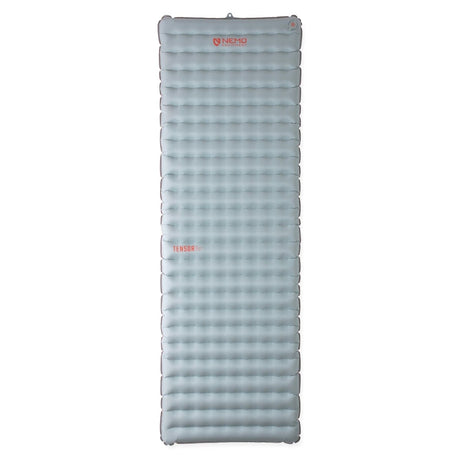
The EN/ISO ratings provide a guideline: Comfort (Tcom) for the average woman, Limit (Tlim) for the average man, and Extreme (Text) as an emergency measure. Outdoors, additional factors such as wind, humidity, exhaustion, and calorie expenditure also play a role. Plan for a 5–10 °C buffer if you tend to experience cold nights. For cold ground, combine your sleeping bag with a warm mat like the NEMO Tensor All-Season – ground insulation is often a game-changer.
Practical tips for restful nights
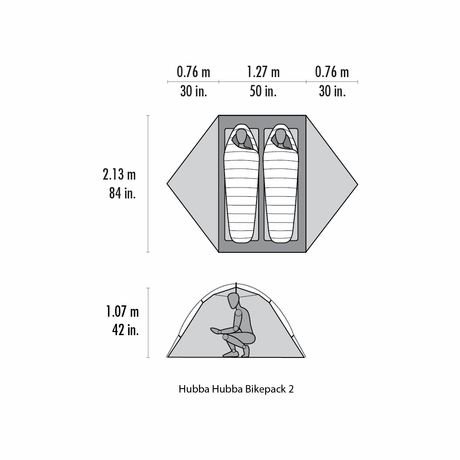
Eat something warm in the evening, drink enough fluids, and put on a dry base layer before getting into your sleeping bag. Don't breathe into the bag – otherwise, moisture will remain trapped in the filling. Air it out briefly in the morning, then pack it away. For windy spots, a slim, stable tent like the Helsport Ringstind Superlight 2 provides shelter; those who prefer a minimalist bivouac will find protection in bivouac sacks . If coffee or tea is part of your morning routine, a compact set like the Optimus Crux Weekend will boost morale – and warm drinks will increase your body temperature.
Care, storage and longevity
After your trip, dry your sleeping bag completely, fluff it gently, and store it loosely in its large stuff sack – never compress it for extended periods. For down, use down detergent and follow the manufacturer's instructions. A lightweight liner keeps the inner material clean and adds a few degrees of warmth without noticeably increasing the weight.
The fastest way to make the right choice: Rent, test, buy
Are you unsure whether to choose down or synthetic, narrow or wide, comfort or a more restrictive fit? Then take advantage of our rental model: Choose your favorite sleeping bag , combine it with sleeping mats and, if desired , tents & tarps , test it out in person – and buy it if you like it . This way you can quickly and sustainably find your perfect sleeping companion.
Frequently asked questions about choosing a sleeping bag
Do I absolutely need synthetic fibers for humid regions?
Not necessarily – but synthetic fibers remain easier to care for if condensation, dew, or rain are frequent. In consistently dry climates, down scores points with its pack size and warmth-to-weight ratio .
Is a 3-season sleeping bag sufficient in the mountains?
With a warm sleeping mat and dry sleepwear, often yes. Check the forecast, allow for a 5–10 °C buffer, and if unsure, choose a warmer model like the Pajak Core 550 .
What role does the sleeping mat really play?
A big one. Without a sufficient R-value, the ground will cool you down – even in a warm sleeping bag. Models like the NEMO Tensor All-Season provide a reliable reserve.
Mummy or blanket – which is more comfortable?
A mummy blanket is more efficient, and offers more flexibility in blanket shape. Those who want comfort plus warmth should choose a slightly wider mummy or "wide" version and create extra warmth through layering.
How do I find my size?
The sleeping bag should cover your height plus some extra room for your feet without compressing the filling. It's best to try out different lengths and widths by renting one .
Your next step
Browse our selection of sleeping bags , combine them with sleeping mats and – depending on your trip – tents & tarps or bivouac sacks . Start by renting your outdoor equipment , gain real experience, and then decide: rent first, buy if you like it – flexible, fair, and ready for your next adventure.