You want to sleep really warm in winter – not just "make it through the night." The right winter sleeping bag determines whether you wake up refreshed in the morning. Here you'll find clear guidance, realistic tips from practical experience, and direct links to suitable models like the Mountain Equipment Glacier 1000 , the Pajak Core 950 , and the Pajak Radical 16H . For extreme winter regions, the Mountain Equipment Glacier Expedition sets the standard.
1. Insulation: Down or synthetic – and what really matters in a tent
Down insulation scores points for its light weight and small pack size. It thrives in dry conditions and requires a water-repellent outer layer. Synthetic insulation keeps you warm even in damp conditions and dries faster. When snow is wet, rain starts, or there's a lot of condensation, synthetic insulation is often more reliable. Practical tip: Ventilate your tent briefly before going to sleep and again immediately in the morning to allow moisture to escape. For a quick overview, you'll find high-performance winter models in our sleeping bag category.
2. Understanding temperature specifications – and planning with a safety margin
EN values are laboratory values; your body is real: wind, exhaustion, or wet clothing lower the perceived temperature. Therefore, plan for a five to ten degree buffer. If you get cold easily, choose a warmer temperature. Practical tip: Eat something warm before bed and drink enough to keep your core functioning properly. For long, frosty nights, the Glacier 1000 and the Core 950 are reliable choices; when it gets really brutal, the Glacier Expedition is the way to go.
3. Weight and pack size – stay light without freezing
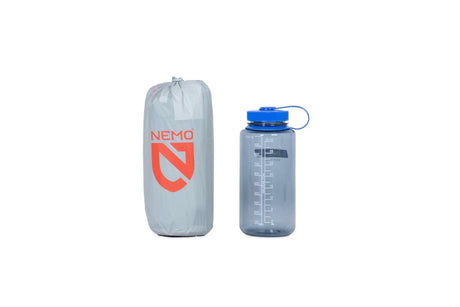
In winter, your backpack fills up quickly. Therefore, pay attention to a good pack size and a sensible target weight. Realistically, it's better to have a few extra grams and sleep really warm. You can save space with a compact pack and clever packing. Let air out before you close the compression straps and store down in a waterproof bag. This way, you'll still have room for a sleeping mat .
4. Cut pattern: Why the mummy wins at night
A mummy sleeping bag reduces the amount of air your body has to heat. This helps you warm up faster and retain heat longer. Look for a well-fitting draft collar and a hood that can be zipped up tightly. Practical tip: Test the drawstring during the day so you're not fumbling around in the middle of the night, freezing. Broader shoulders? Look for "Regular/Wide" versions.
5. Materials, chambers, details – the little things make the difference
Windproof outer fabrics block drafts, while hydrophobic down wicks away moisture better. Box-chambered construction distributes heat more evenly than quilted construction. An often overlooked but important feature: a clean zipper guard to prevent you from accidentally pulling on the fabric during the night. Practical tip: Store your power bank and phone in the inner pocket to keep the batteries from getting cold. Avoid breathing into your sleeping bag – otherwise, moisture will remain trapped in the filling.
6. Sleeping mat and tent: The heating system from below
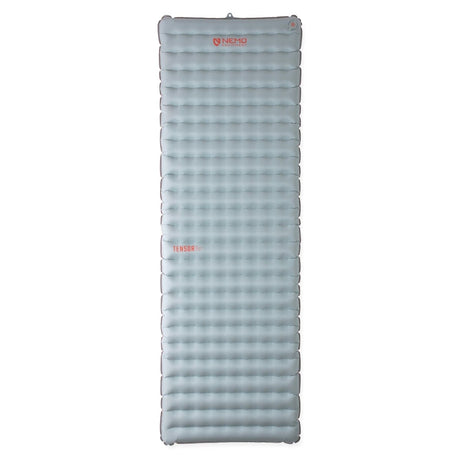
Without a suitable sleeping mat, even the best winter sleeping bag is of little use. Look for a high R-value and, in severe frost, combine two mats: closed-cell foam on the bottom, and an air or foam mat on top. A windproof tent or tarp reduces heat loss. Practical tip: Place a thin emergency blanket under the mat with the reflective side facing up if the ground is very cold.
7. Care and storage: Keep warm instead of washing.
Dry your sleeping bag briefly in the cold sun every morning; this works wonders against condensation. Wash only when necessary and follow the manufacturer's instructions. At home, store your sleeping bag loosely in its large stuff sack, not in a compression sack. Practical tip: When packing, loosely stuff the sleeping bag into its stuff sack instead of rolling it – this protects the filling.
8. Rent, test, decide with confidence
If you're unsure, rent your outdoor gear for an honest, practical test. This way, you can see if the fit, warmth, and handling are right for you. Browse our sleeping bags and sleeping mats ; bivouac sacks are helpful for bivouac setups. If you like your setup, our policy is: rent first, buy if you like it – sustainable and budget-friendly.
FAQ: Winter sleeping bag – the most important questions
How much of a safety margin should I allow for in addition to the EN comfort rating?
Depending on your sensitivity to cold and the conditions, allow for a 5–10 °C buffer. Wind, humidity, and exhaustion lower the perceived temperature.
Do I always need down in winter?
No. Down is lighter and warmer. In persistently wet weather, synthetic insulation can be more suitable because it insulates well even when damp.
Which sleeping mat is suitable for a winter sleeping bag?
A mat with a high R-value . If in doubt, combine two mats: closed-cell foam mat on the bottom, air or foam mat on top.
How do I avoid condensation in my sleeping bag?
Ventilate thoroughly, dry completely, and manage moisture effectively. Use a breathable tent and keep wet clothing outside the sleeping bag.